Inverted Stencil: A Unique Decorative Font for Editorial Design
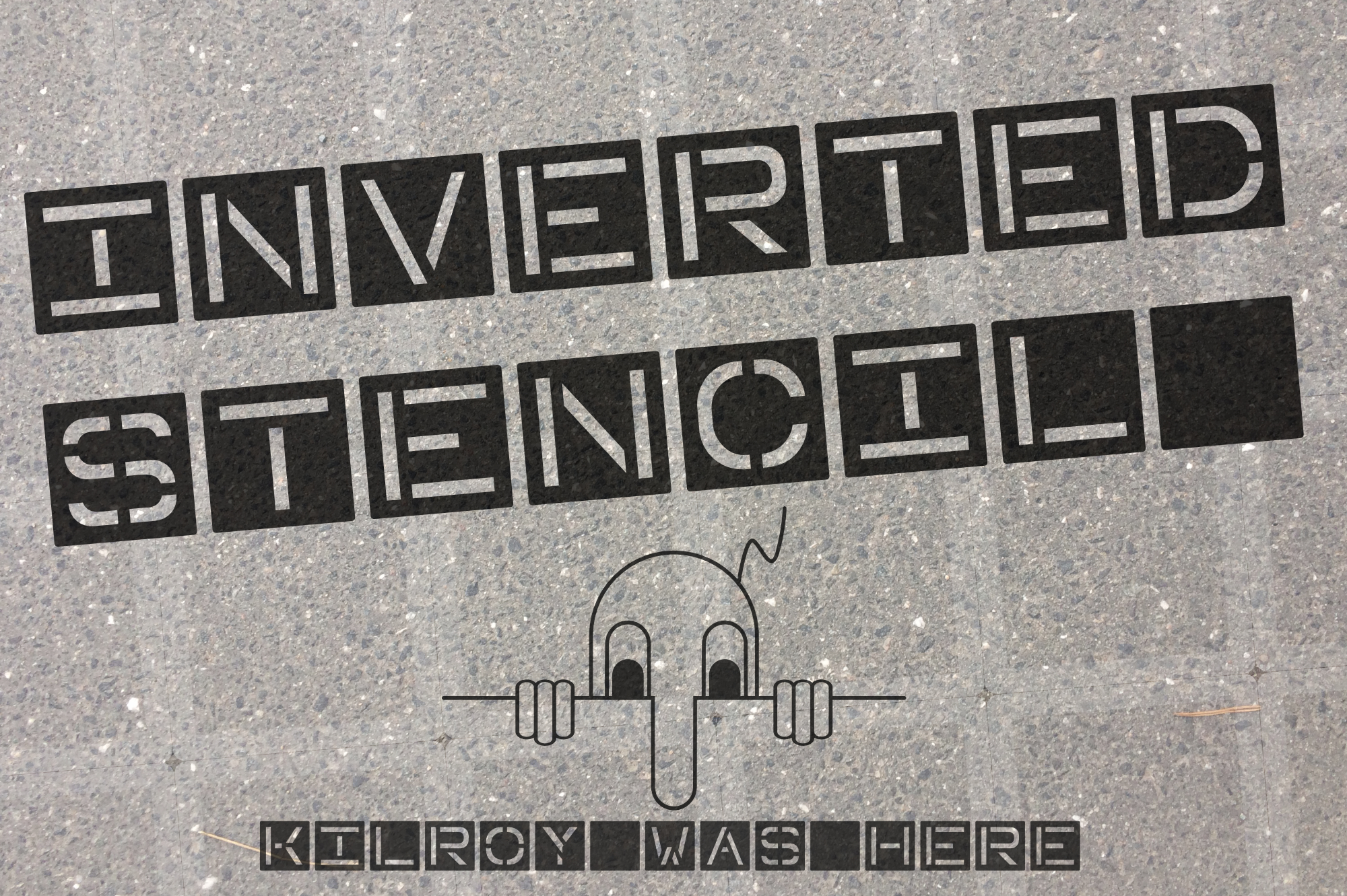
Inverted Stencil, a decorative stencil type font with square inverted characters, offers a distinctive and visually appealing option for content creators, bloggers, and editorial designers. Its unique style and personality make it an excellent choice for adding a creative touch to your publications.
Inverted Stencil for Eye-Catching Blog Headers and Magazine Covers
When it comes to creating eye-catching blog headers and magazine covers, Inverted Stencil stands out. The square inverted characters of this decorative font add a modern and edgy feel, perfect for grabbing the reader's attention. Use it for your next blog post or magazine cover to set a bold and memorable tone.
Inverted Stencil in Ebook Titles and Newsletter Graphics
Incorporating Inverted Stencil into your ebook titles and newsletter graphics can elevate the overall design. This font's unique style makes it ideal for standing out in a crowded inbox or on a digital shelf. Whether you're designing a lifestyle blog, recipe ebook, or coaching workbook, Inverted Stencil adds a touch of creativity and professionalism.
Inverted Stencil for Quote Layouts and Chapter Openers
For quote layouts and chapter openers, Inverted Stencil provides a striking and impactful visual. The inverted characters create a strong, almost three-dimensional effect that draws the reader's eye. Use it to highlight important quotes or to introduce new sections in your ebooks, magazines, or printable guides, enhancing the reader's experience.
Inverted Stencil in Printable Guides and Lead Magnets
Printable guides and lead magnets benefit greatly from the use of Inverted Stencil. The font's clean lines and geometric shapes make it highly legible and visually engaging. Whether you're creating a wedding guide, a digital magazine, or a printable planner, Inverted Stencil helps in establishing a consistent and professional look, making your materials more appealing to your audience.
Inverted Stencil for Content Branding and Visual Identity
Building a strong content brand and visual identity is crucial for any publisher or content creator. Inverted Stencil, with its distinctive square inverted characters, can become a key element in your brand's visual language. Use it consistently across your blog, newsletters, and other publications to create a cohesive and recognizable brand presence.
Inverted Stencil in Practical Examples: From Lifestyle Blogs to Digital Magazines
Consider using Inverted Stencil for a variety of practical examples. For a lifestyle blog, it can add a modern and chic touch to your headers and section titles. In a digital magazine, it can be used for cover text and feature article headlines, providing a sophisticated and contemporary feel. For a coaching workbook, it can help in creating a professional and motivational tone throughout the document.
Readability Considerations for Inverted Stencil in Different Formats
While Inverted Stencil is a visually striking font, it's important to consider readability. For screen reading and PDF exports, ensure that the font size is large enough to maintain clarity. For mobile layouts and print, test the font at different sizes to ensure it remains legible. Inverted Stencil works best for titles, subtitles, and accent typography, where its unique style can shine without compromising readability.
Font Pairing with Inverted Stencil for Editorial Use
To create a balanced and harmonious design, pair Inverted Stencil with complementary fonts. For body copy, a readable serif or sans serif font can provide a clean and professional look. For example, pairing Inverted Stencil with a classic serif font like Garamond or a modern sans serif like Helvetica can create a well-structured and visually appealing layout. This combination ensures that your content is both stylish and easy to read.
Practical Note on Commercial Licensing for Inverted Stencil
Before using Inverted Stencil in commercial projects such as ebooks, templates, and client publications, check the font's licensing terms. Ensure that you have the appropriate commercial license to use the font in your projects. This is especially important for digital downloads, paid newsletters, and other revenue-generating content. Proper licensing not only protects you legally but also supports the font designer and their work.